Where dynasties staged their vision of Florence
Walk through halls and gardens shaped by bankers, duchesses, architects, gardeners, and curators across generations.
Table of Contents
Before the court: origins of the palace
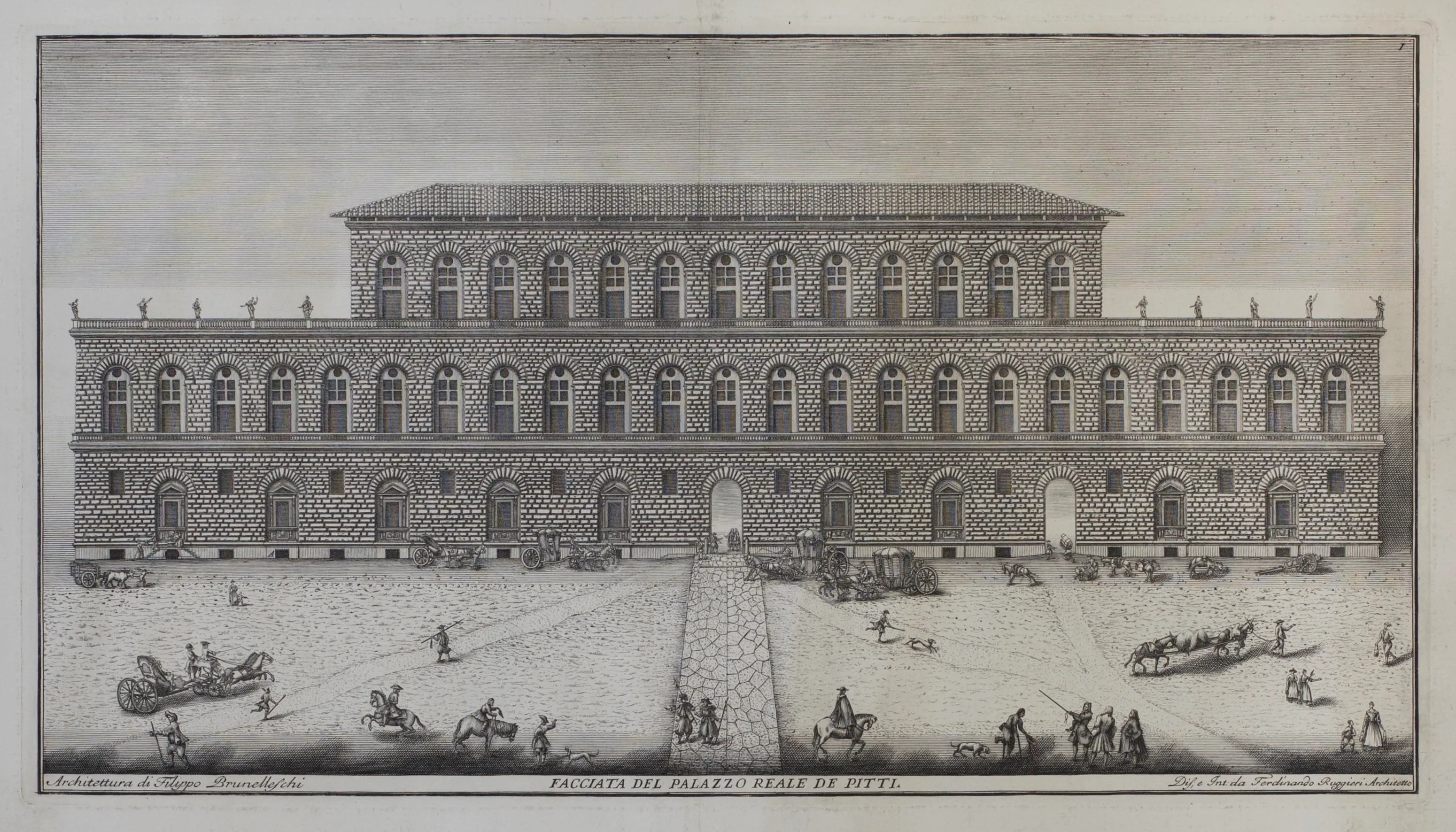
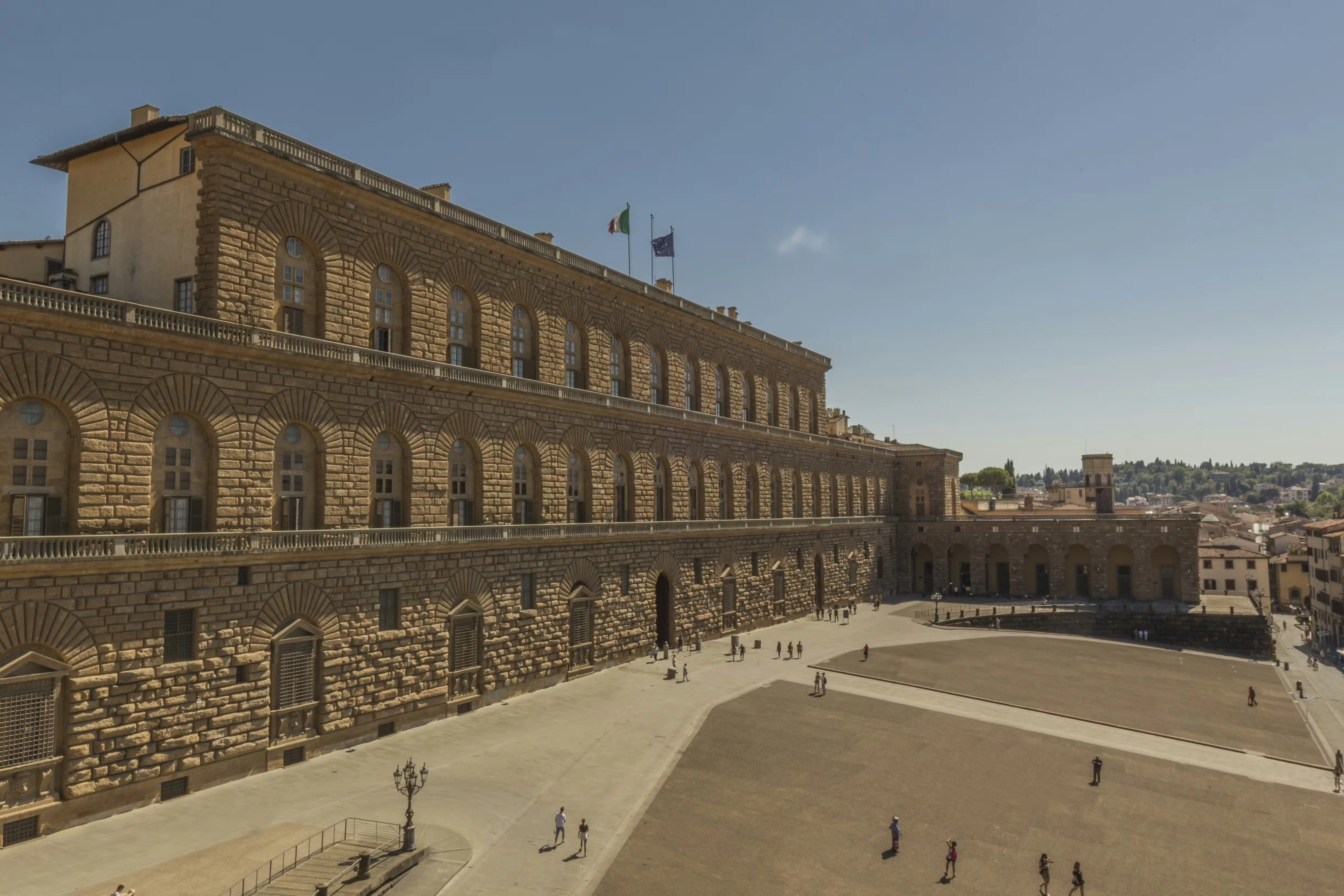
Long before it became a symbol of dynastic prestige, Palazzo Pitti began as an audacious private project linked to one of Florence's wealthiest banking families. In the 15th century, the Pitti sought an urban residence that could rival the influence and image of established elite houses. The massive rusticated facade still communicates that early ambition: severe, geometric, and almost fortress-like, it announces wealth through scale and stone rather than delicate decoration. Whether every traditional attribution is fully documented or partly embellished by later legend, the result is unmistakable: this was conceived as a statement of status in a city where architecture and politics were inseparable.
As Florence evolved from republican tensions to ducal consolidation, the building's destiny changed radically. What began as a private assertion of prominence gradually entered a broader state narrative, and its architecture proved adaptable to this shift. Courtyards expanded, ceremonial routes were reorganized, and interiors were transformed to host a level of representation far beyond the scope of the original household. In that sense, Palazzo Pitti is not just old; it is layered, each generation writing over the previous one while leaving traces of what came before.
The Medici arrival and political theater
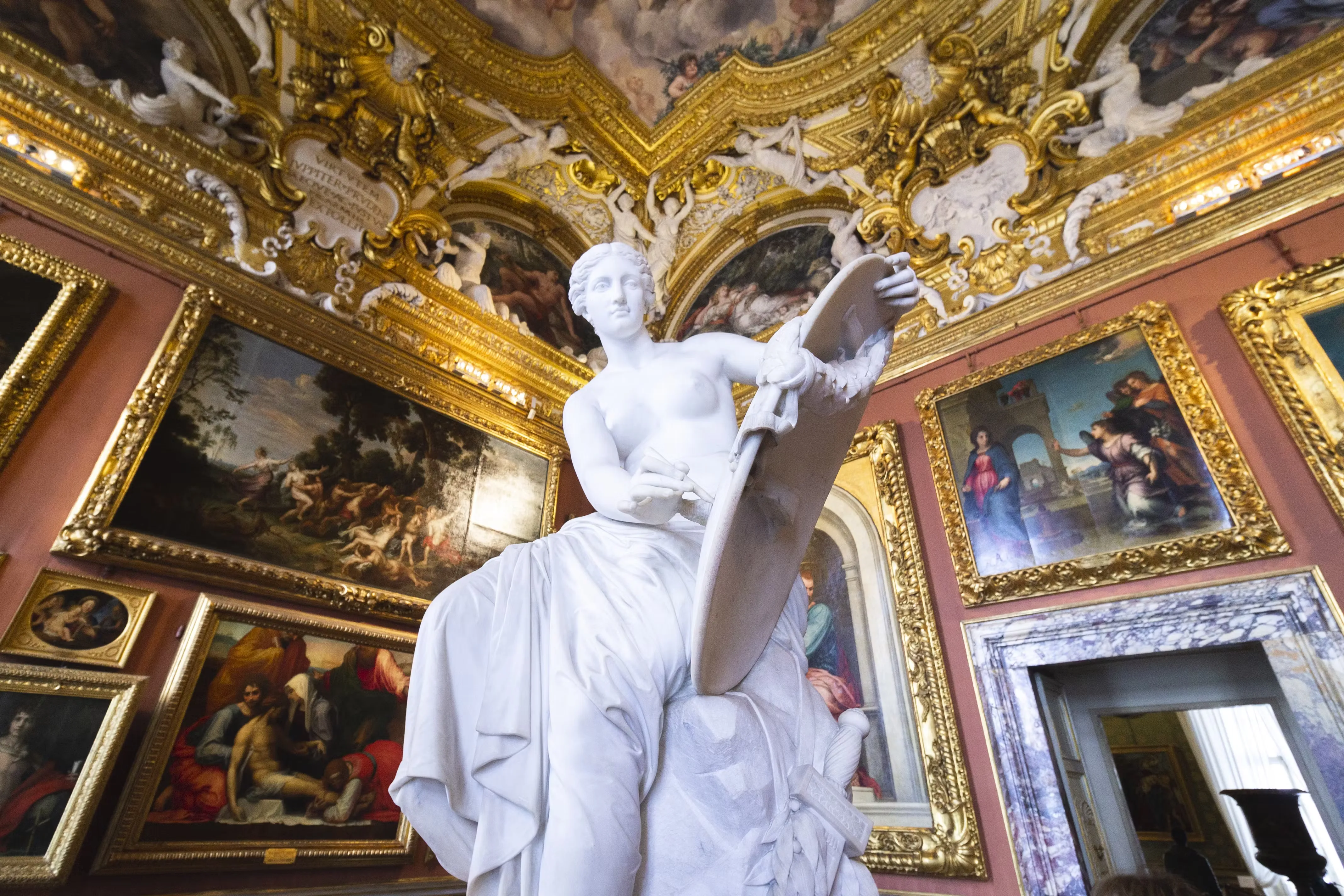
The Medici acquisition in the 16th century redefined the palace as a stage of power. Under Eleonora di Toledo and Cosimo I, the site became central to ducal identity, linking domestic residence, dynastic continuity, and public image in one controlled environment. Rooms were not merely decorated for comfort; they were choreographed to communicate legitimacy through iconography, lineage references, and carefully managed ceremonial movement. Guests did not simply walk through beautiful spaces; they moved through a political script written in fresco, stucco, textiles, and sightlines.
This is why even today, when visitors stand in front of a painted ceiling or pass from one audience chamber to another, they are effectively reading a coded language of authority. Mythological scenes, allegories of virtue, and references to divine favor were chosen to reinforce a claim: that ducal rule represented order and continuity in a changing world. The emotional power of the palace comes partly from this realization that art here was never neutral. It was persuasive, strategic, and deeply tied to governance.
How Boboli became a model for Europe
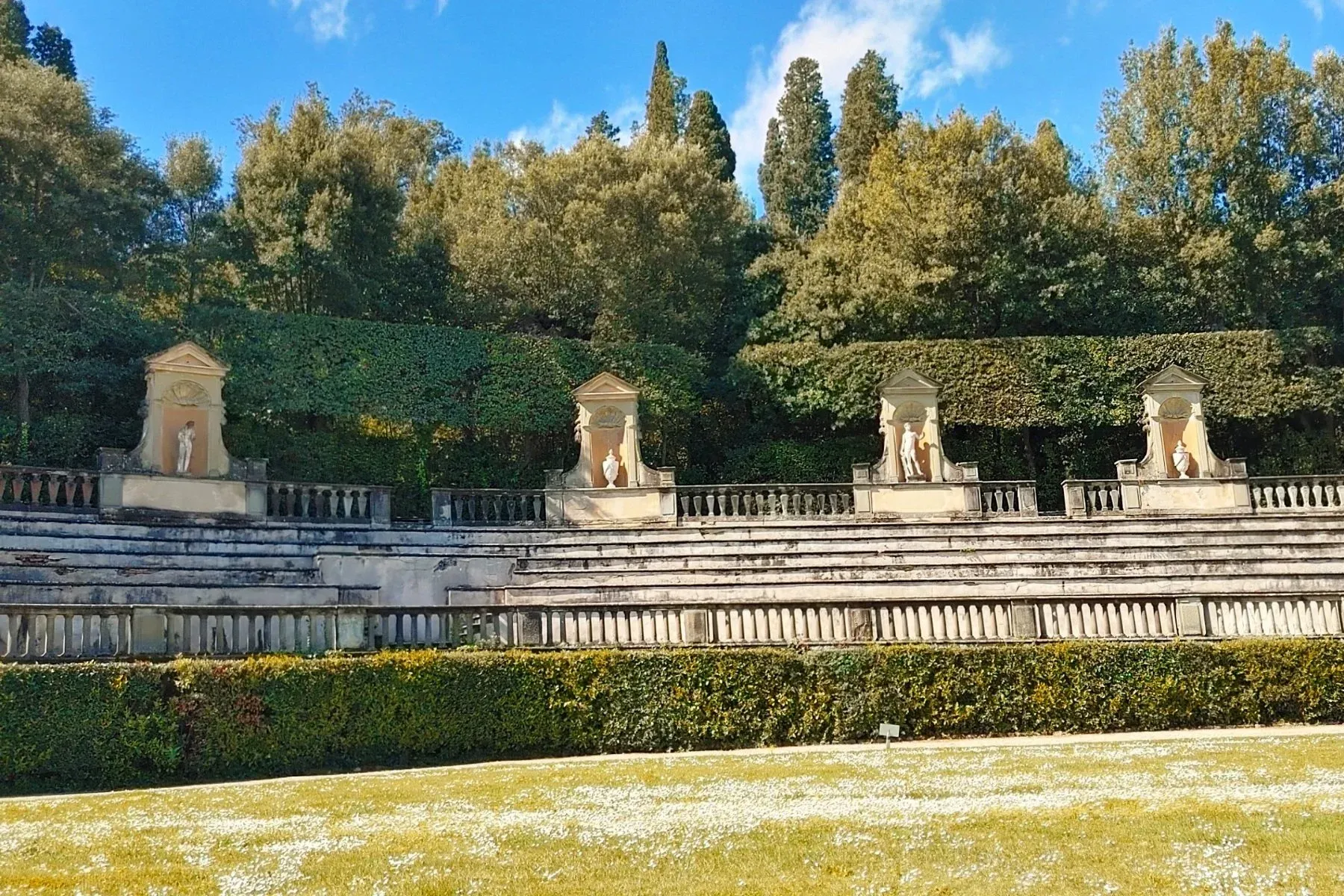
The Boboli Gardens developed as an extension of court life and as an experiment in landscape control. Rather than a decorative backyard, Boboli functioned as an open-air architecture of power. Axes were carved into the hillside, terraces framed long perspectives, and sculptural programs organized movement through episodes of surprise and order. Water features, grottos, and theatrical spaces were integrated to produce both pleasure and symbolism, showing how nature could be disciplined into a political and aesthetic statement.
Its influence spread far beyond Florence. Designers and patrons across Europe studied similar principles when creating court gardens in later centuries: the dialogue between geometry and topography, the use of elevated viewpoints, and the narrative sequencing of pathways. Walking Boboli today, you are not simply enjoying a park. You are tracing a prototype that helped define aristocratic landscape culture from Tuscany to France and beyond, with each rise and descent revealing another chapter in that design legacy.
Art collecting and the language of prestige
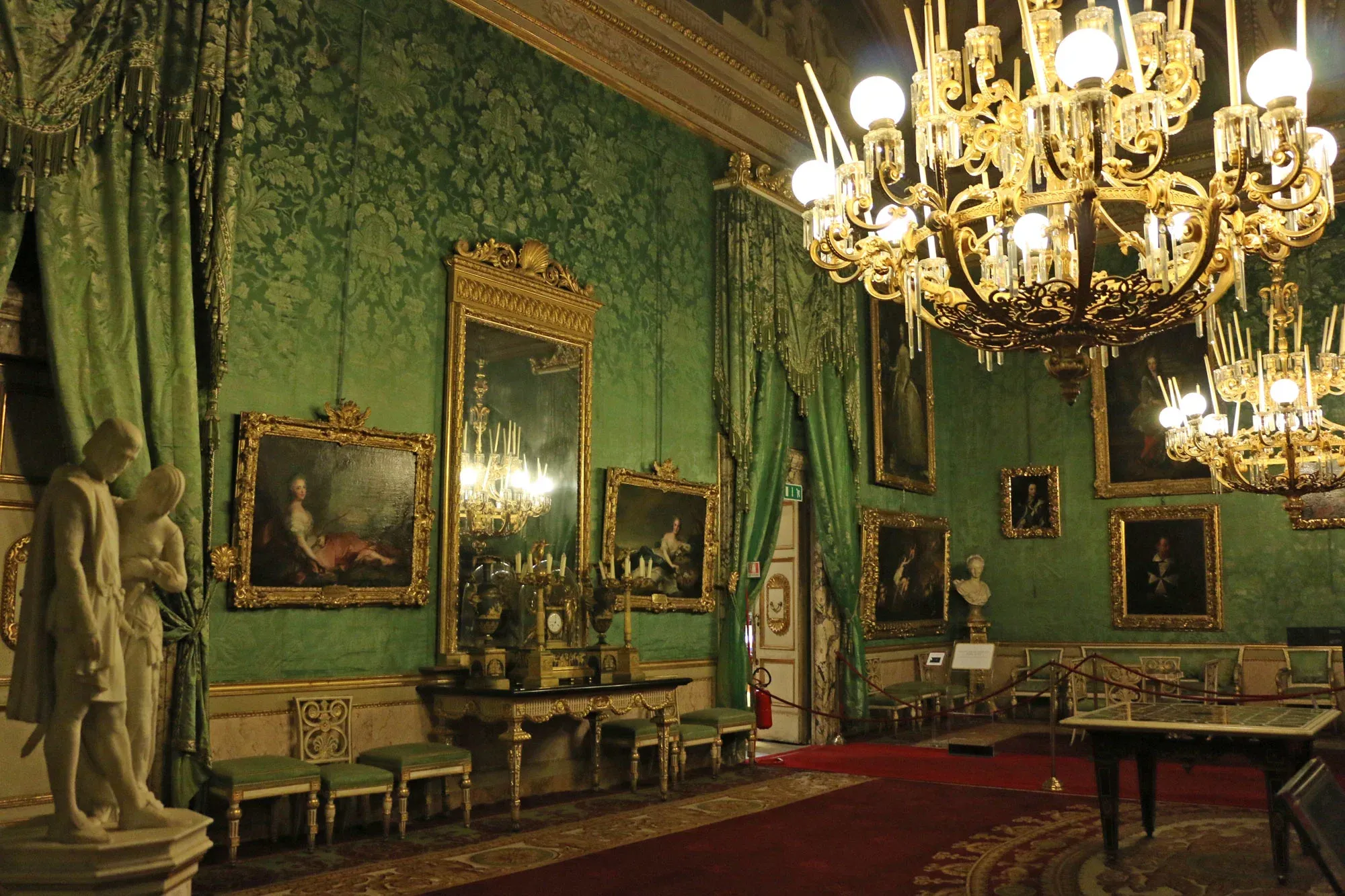
Palazzo Pitti's collections reveal how dynastic collecting worked as both passion and policy. Families accumulated paintings not only for aesthetic pleasure but to shape memory, assert refinement, and demonstrate international connections. Works by Raphael, Titian, Rubens, and many others were absorbed into a broader ecosystem of patronage that linked studios, courts, diplomacy, and inheritance strategies.
The dense hanging style still visible in parts of the palace can surprise modern visitors accustomed to minimalist galleries, yet it communicates an authentic historical mode of display. Paintings were meant to converse across walls, scales, and themes, surrounded by decorative programs that amplified their status. Seen this way, the museum is not only a repository of masterpieces but also a document of how elites once looked at art, lived with it, and used it to narrate identity.
Life at court: rituals behind the facade
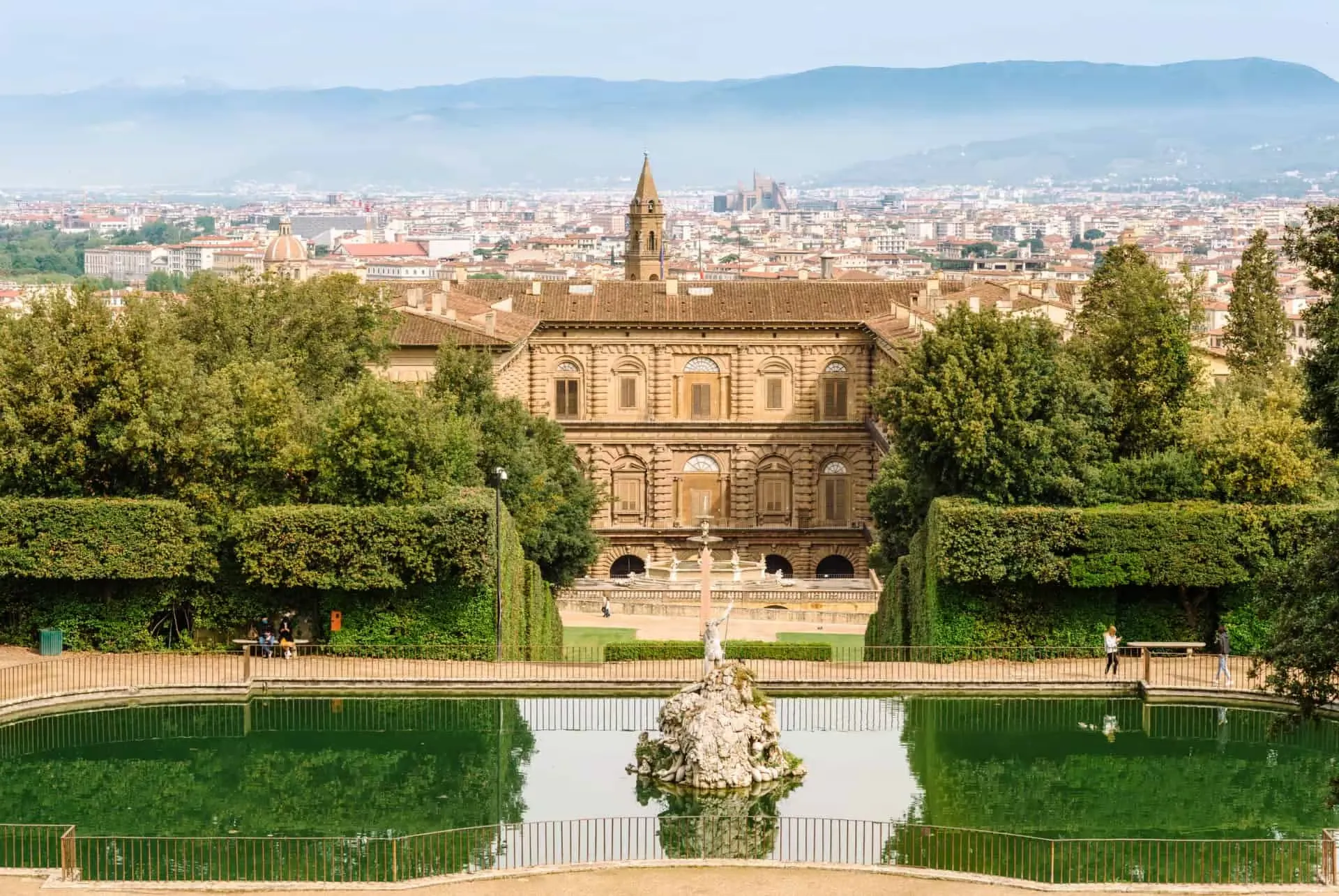
Court life inside Palazzo Pitti followed a precise rhythm of audiences, liturgical observances, private negotiations, and public ceremonies. Kitchens, wardrobes, service corridors, and administrative rooms supported a highly structured household where etiquette could determine access and influence. Behind each polished reception space stood teams of servants, officials, artists, and craftsmen whose labor kept the machinery of representation running.
Even leisure had political weight. Garden strolls, music, seasonal festivities, and carefully staged appearances communicated hierarchy as much as enjoyment. A fountain visit or evening promenade might look spontaneous, yet such moments often reinforced alliances and social order. Understanding this hidden choreography adds depth to the visit: you are not seeing static decor, but the architectural residue of a living social system.
Lorraine and Savoy chapters
After the Medici line ended, the palace entered new dynastic chapters under the House of Lorraine and later the Savoy context. These transitions did not erase the past; they layered new tastes, functions, and administrative priorities onto an existing symbolic core. Interiors were updated, collections reorganized, and usage adapted to evolving notions of monarchy and governance.
For visitors, this means the complex should be read as a palimpsest rather than a frozen Medici relic. Furniture styles, portrait traditions, and room uses can shift from one wing to another, reflecting broader European transformations in court culture. The reward is historical texture: multiple political worlds coexisting under one roof.
From royal residence to public museum
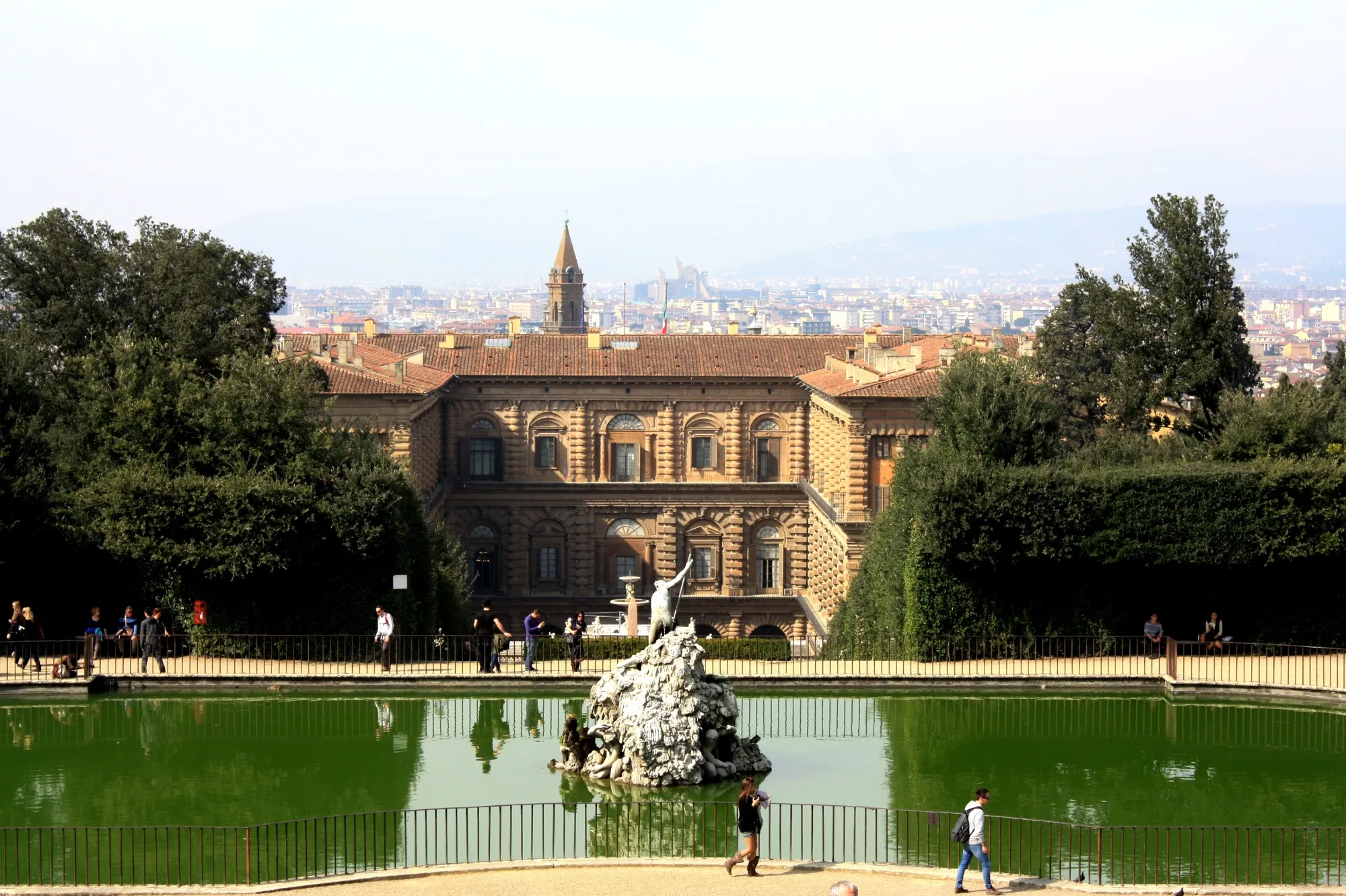
The modern museum era transformed Palazzo Pitti from dynastic residence into a public cultural institution. This shift changed access, interpretation, and civic meaning. Spaces once reserved for selected elites became available to wider audiences, and curatorial frameworks gradually replaced court protocol as the organizing logic of visitor movement.
Yet traces of the old system remain visible in architectural sequence and decorative intent, creating a productive tension between past and present. You can read labels, use digital guides, and follow modern thematic routes while still feeling the inherited structure of ceremonial passage. That coexistence is part of what makes the site compelling today: it is both museum and historical environment at once.
Design details visitors often miss
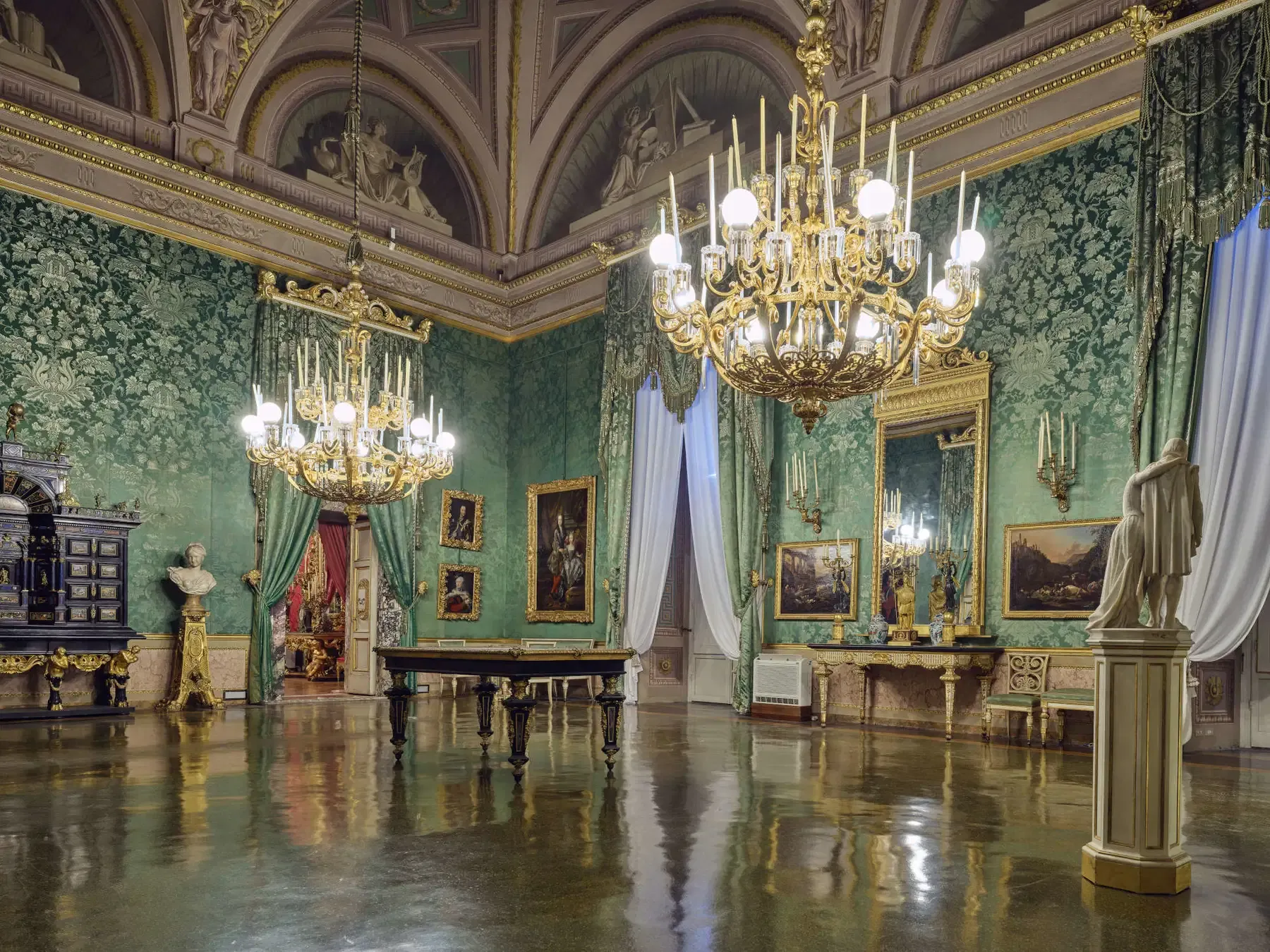
Many travelers focus naturally on famous rooms and panoramic terraces, but subtle details often carry the richest stories. Look at how staircases frame arrivals, how thresholds compress and release space, and how allegorical figures appear where political messages needed emphasis. In Boboli, notice changes in paving, vegetation density, and perspective control; these are deliberate tools, not accidental decoration.
A useful strategy is to alternate macro and micro viewing. Spend a few minutes on grand vistas, then pause for one carved element, one inscription, or one fountain engineering detail. That shift reveals the intelligence of the site: it was designed to impress from afar and reward close attention equally.
Legends, anecdotes and curious facts
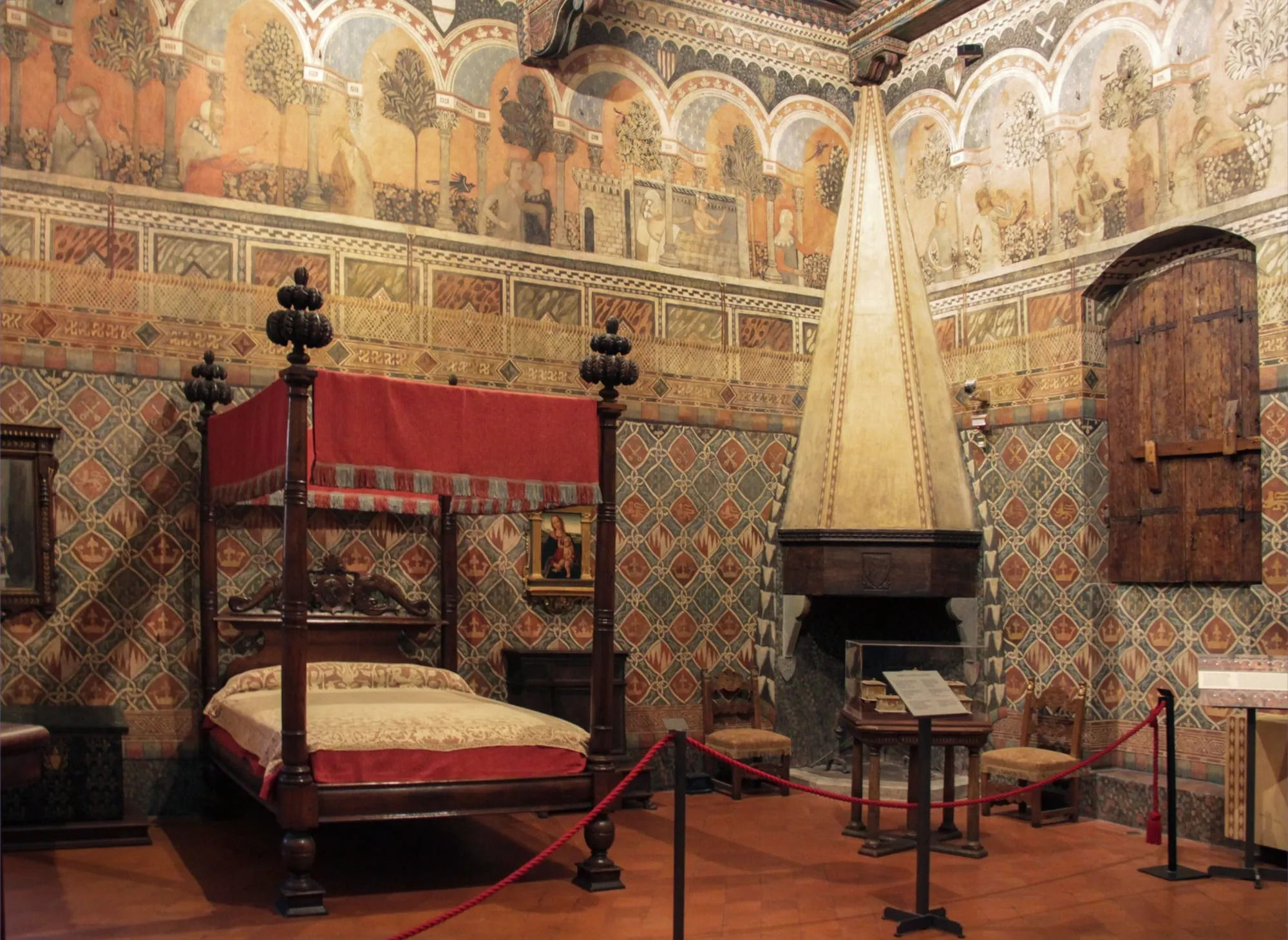
Palazzo Pitti and Boboli are surrounded by stories, some fully documented, others embellished by centuries of retelling. You may hear debates about original architectural authorship, tales of court intrigue hidden behind diplomatic receptions, and anecdotes about how particular artworks entered the collection through marriage networks, inheritance, or strategic patronage. Part of the site's charm is exactly this blend of archival certainty and urban legend.
One enduring curiosity is how often visitors underestimate scale before entering. From the square, the facade looks imposing but controlled; once inside and then out into Boboli's rising landscape, the dimensions unfold dramatically. Another memorable detail is symbolic continuity: motifs of authority and fertility reappear across rooms and gardens, reminding us that art, architecture, and horticulture were once coordinated parts of one political narrative.
Planning your visit with historical context
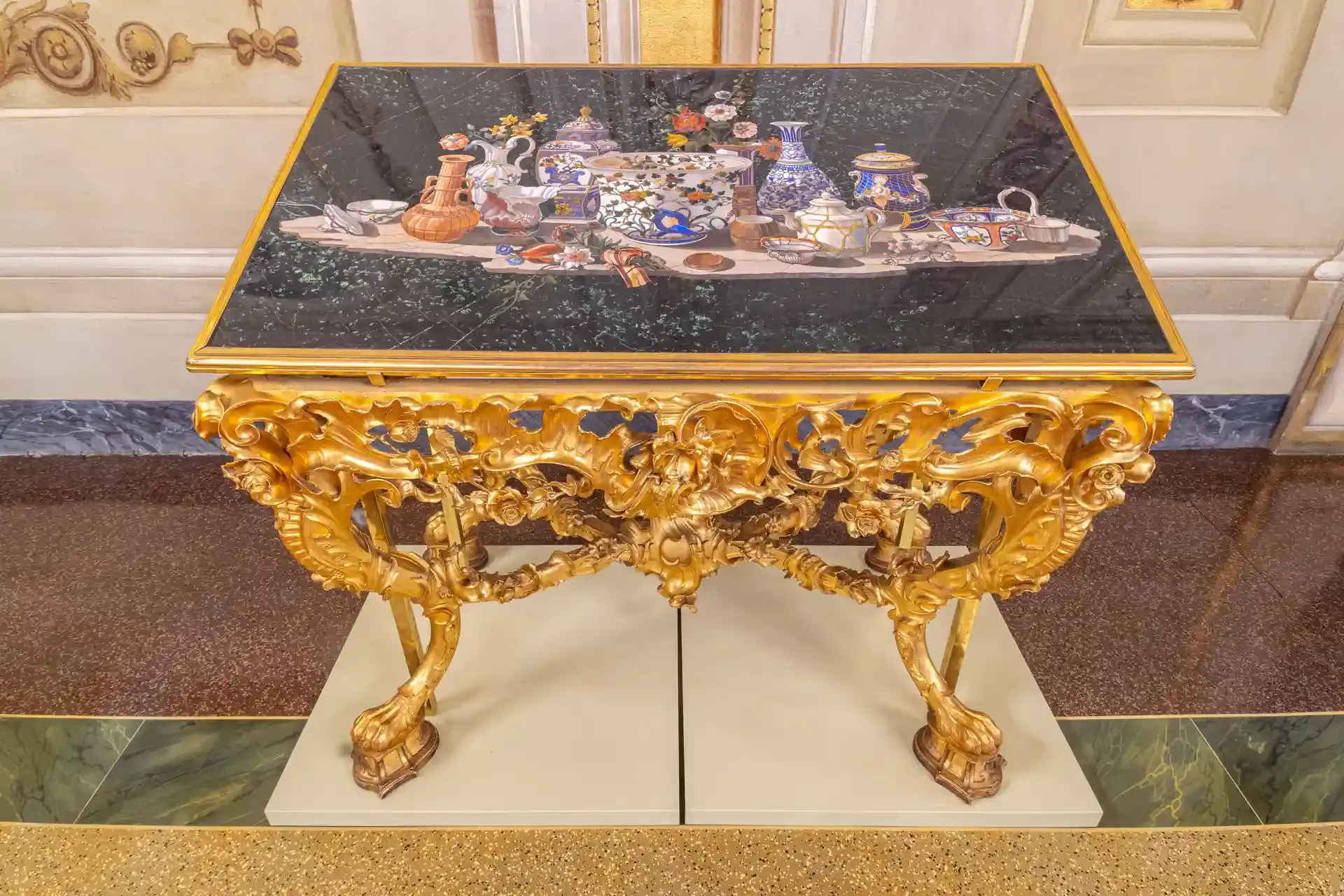
Historical context improves practical planning. If you understand the palace as a sequence of representational spaces followed by landscape symbolism in Boboli, your itinerary becomes more coherent: interior first, garden second, with pauses that let the narrative settle. Instead of racing room by room, you build thematic continuity and remember more.
For many travelers, the best approach is selective depth. Choose two or three interior highlights you truly care about, then dedicate generous time to the gardens and viewpoints. This reduces fatigue and preserves curiosity, which is especially important in Florence where cultural overload is a real risk during short stays.
Conservation and restoration today
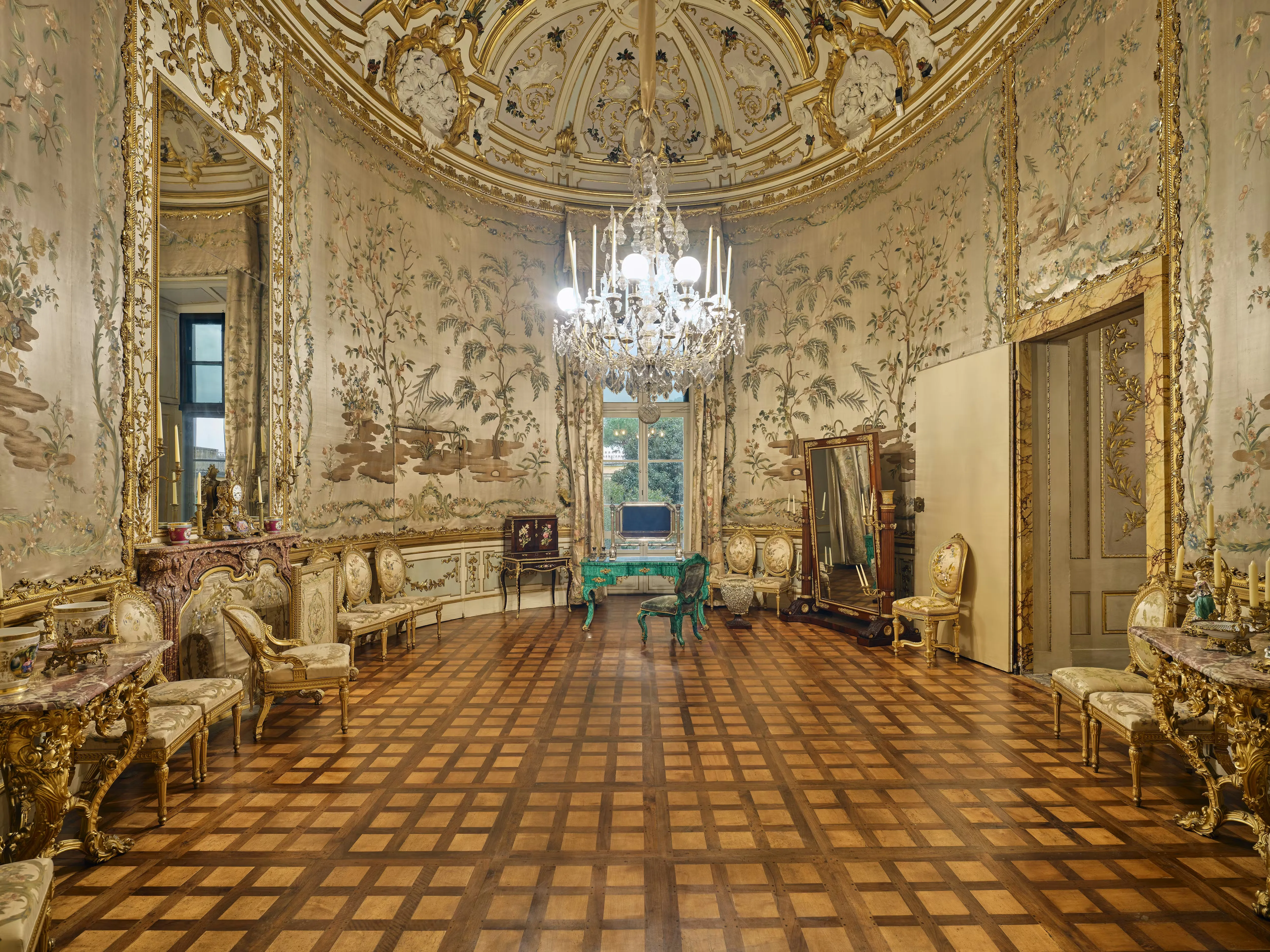
Preserving a complex of this size requires constant technical effort. Conservation teams address fresco stability, humidity management, stone erosion, plant health, drainage, and visitor impact, often in parallel. Because the site functions as both monument and active museum, interventions must protect authenticity while keeping spaces safely accessible.
Temporary closures or rerouted paths can occasionally frustrate visitors, but they are part of responsible stewardship. Every scaffold or restricted zone usually signals long-term care work that keeps artworks legible, structures stable, and garden systems resilient. Seeing conservation as part of the story, not a disruption of it, gives a fuller sense of what heritage management means in practice.
Boboli viewpoints and symbolic routes
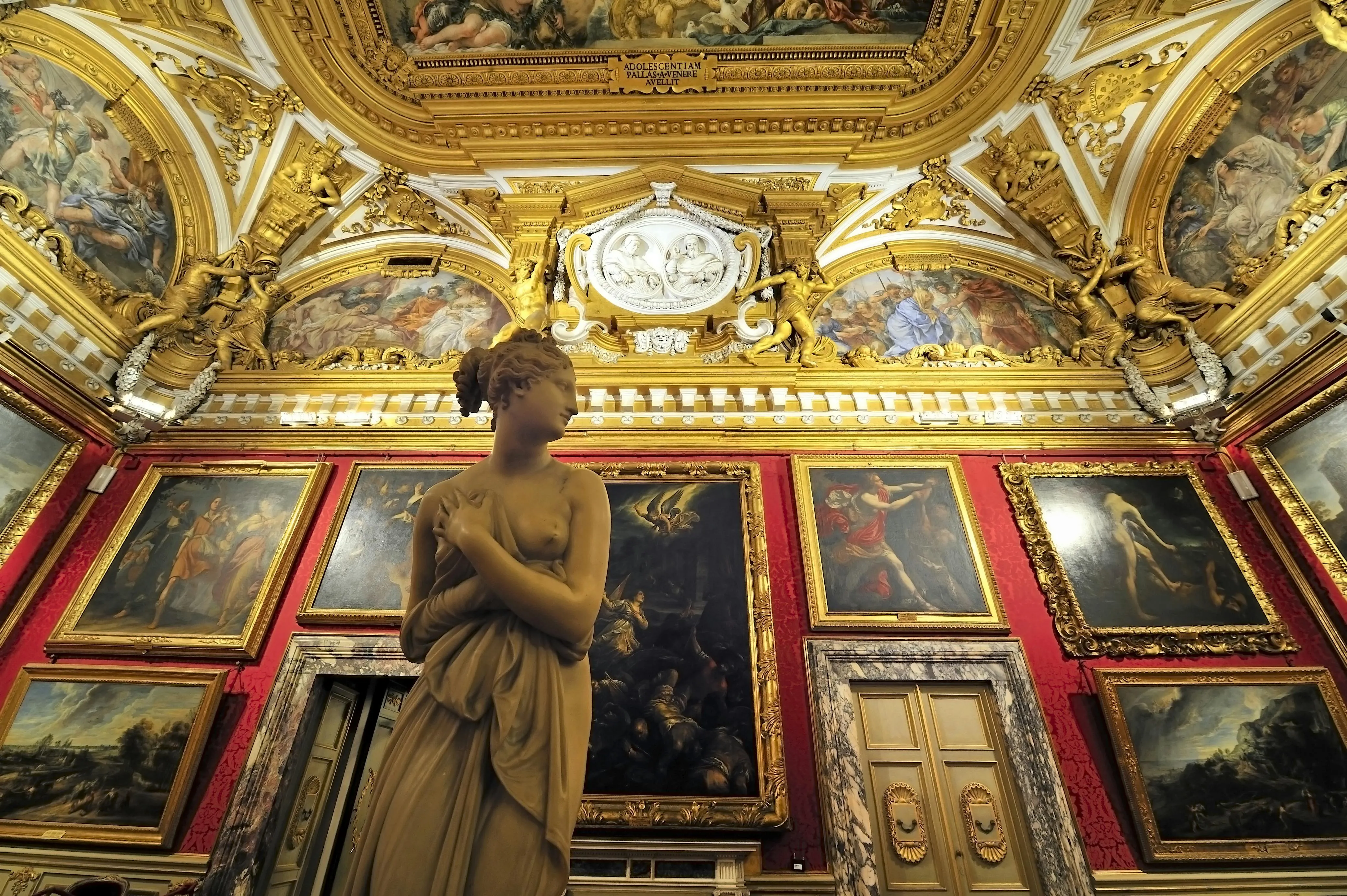
Boboli is best understood as a sequence of routes with emotional and symbolic progression. Lower areas feel enclosed and theatrical, while higher terraces open toward broad urban panoramas. As you climb, the city gradually enters the composition, and the relationship between palace authority and territorial vision becomes visible in spatial form.
Take time at key outlooks rather than rushing to the next marker. In changing light, the same axis can shift from bright and ceremonial to intimate and reflective. This temporal dimension is one of Boboli's quiet strengths: it rewards lingering, and the garden's meaning deepens as the day moves.
Why this complex still feels alive
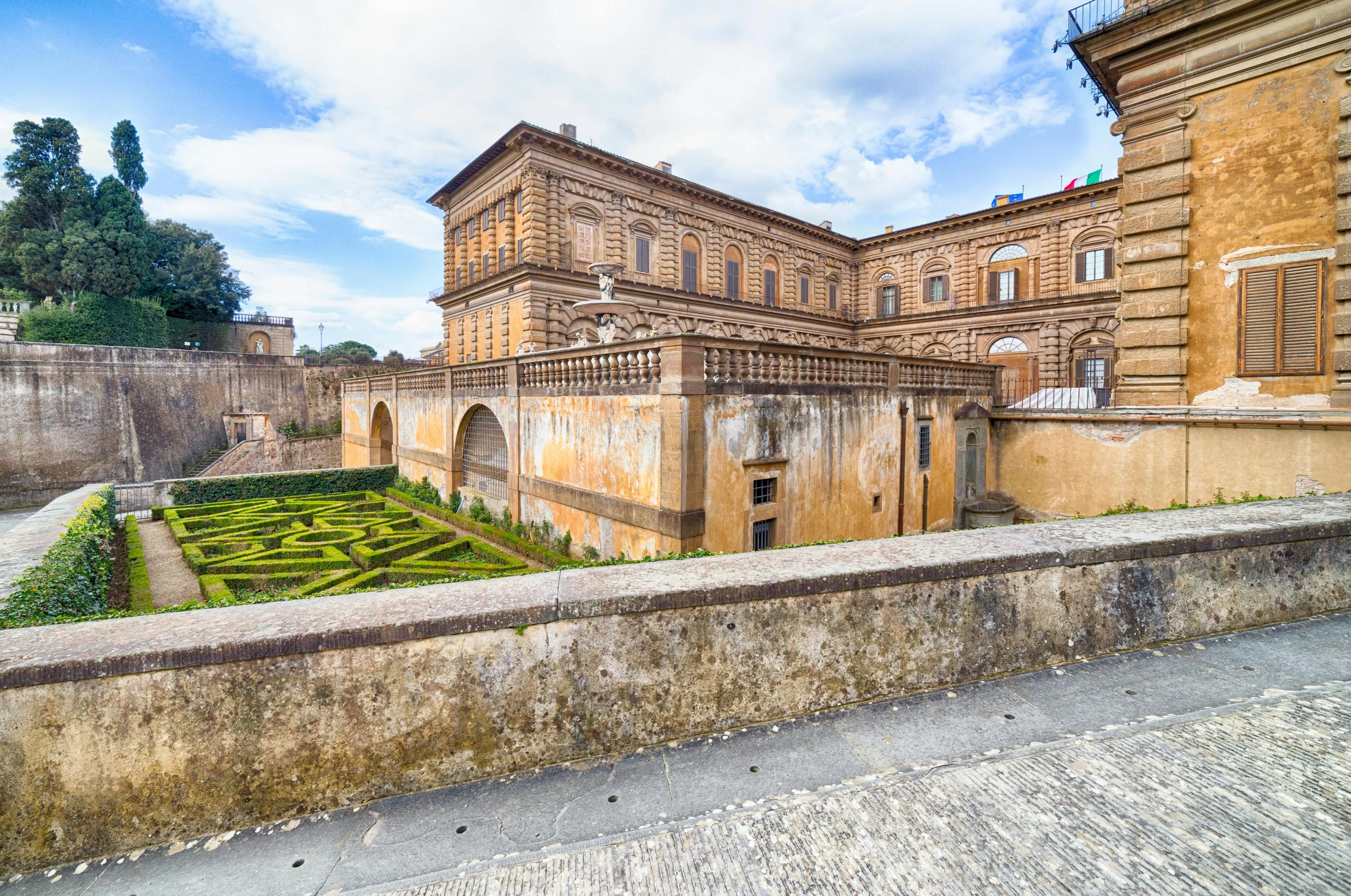
Palazzo Pitti and Boboli remain compelling because they are not isolated masterpieces detached from ordinary life. They sit within a living neighborhood, absorb daily rhythms, and continue to host the meeting point between scholarship, tourism, conservation, and local memory. You can move from a room charged with dynastic iconography to a nearby square where contemporary Florence unfolds over coffee and conversation.
That continuity between past and present is perhaps the site's greatest gift. By the end of a well-paced visit, you do not just remember individual paintings or viewpoints; you remember a layered urban story in which architecture, gardens, politics, craftsmanship, and human routine all coexist. It feels alive because it never fully stopped being lived.
Table of Contents
Before the court: origins of the palace
Long before it became a symbol of dynastic prestige, Palazzo Pitti began as an audacious private project linked to one of Florence's wealthiest banking families. In the 15th century, the Pitti sought an urban residence that could rival the influence and image of established elite houses. The massive rusticated facade still communicates that early ambition: severe, geometric, and almost fortress-like, it announces wealth through scale and stone rather than delicate decoration. Whether every traditional attribution is fully documented or partly embellished by later legend, the result is unmistakable: this was conceived as a statement of status in a city where architecture and politics were inseparable.
As Florence evolved from republican tensions to ducal consolidation, the building's destiny changed radically. What began as a private assertion of prominence gradually entered a broader state narrative, and its architecture proved adaptable to this shift. Courtyards expanded, ceremonial routes were reorganized, and interiors were transformed to host a level of representation far beyond the scope of the original household. In that sense, Palazzo Pitti is not just old; it is layered, each generation writing over the previous one while leaving traces of what came before.
The Medici arrival and political theater
The Medici acquisition in the 16th century redefined the palace as a stage of power. Under Eleonora di Toledo and Cosimo I, the site became central to ducal identity, linking domestic residence, dynastic continuity, and public image in one controlled environment. Rooms were not merely decorated for comfort; they were choreographed to communicate legitimacy through iconography, lineage references, and carefully managed ceremonial movement. Guests did not simply walk through beautiful spaces; they moved through a political script written in fresco, stucco, textiles, and sightlines.
This is why even today, when visitors stand in front of a painted ceiling or pass from one audience chamber to another, they are effectively reading a coded language of authority. Mythological scenes, allegories of virtue, and references to divine favor were chosen to reinforce a claim: that ducal rule represented order and continuity in a changing world. The emotional power of the palace comes partly from this realization that art here was never neutral. It was persuasive, strategic, and deeply tied to governance.
How Boboli became a model for Europe
The Boboli Gardens developed as an extension of court life and as an experiment in landscape control. Rather than a decorative backyard, Boboli functioned as an open-air architecture of power. Axes were carved into the hillside, terraces framed long perspectives, and sculptural programs organized movement through episodes of surprise and order. Water features, grottos, and theatrical spaces were integrated to produce both pleasure and symbolism, showing how nature could be disciplined into a political and aesthetic statement.
Its influence spread far beyond Florence. Designers and patrons across Europe studied similar principles when creating court gardens in later centuries: the dialogue between geometry and topography, the use of elevated viewpoints, and the narrative sequencing of pathways. Walking Boboli today, you are not simply enjoying a park. You are tracing a prototype that helped define aristocratic landscape culture from Tuscany to France and beyond, with each rise and descent revealing another chapter in that design legacy.
Art collecting and the language of prestige
Palazzo Pitti's collections reveal how dynastic collecting worked as both passion and policy. Families accumulated paintings not only for aesthetic pleasure but to shape memory, assert refinement, and demonstrate international connections. Works by Raphael, Titian, Rubens, and many others were absorbed into a broader ecosystem of patronage that linked studios, courts, diplomacy, and inheritance strategies.
The dense hanging style still visible in parts of the palace can surprise modern visitors accustomed to minimalist galleries, yet it communicates an authentic historical mode of display. Paintings were meant to converse across walls, scales, and themes, surrounded by decorative programs that amplified their status. Seen this way, the museum is not only a repository of masterpieces but also a document of how elites once looked at art, lived with it, and used it to narrate identity.
Life at court: rituals behind the facade
Court life inside Palazzo Pitti followed a precise rhythm of audiences, liturgical observances, private negotiations, and public ceremonies. Kitchens, wardrobes, service corridors, and administrative rooms supported a highly structured household where etiquette could determine access and influence. Behind each polished reception space stood teams of servants, officials, artists, and craftsmen whose labor kept the machinery of representation running.
Even leisure had political weight. Garden strolls, music, seasonal festivities, and carefully staged appearances communicated hierarchy as much as enjoyment. A fountain visit or evening promenade might look spontaneous, yet such moments often reinforced alliances and social order. Understanding this hidden choreography adds depth to the visit: you are not seeing static decor, but the architectural residue of a living social system.
Lorraine and Savoy chapters
After the Medici line ended, the palace entered new dynastic chapters under the House of Lorraine and later the Savoy context. These transitions did not erase the past; they layered new tastes, functions, and administrative priorities onto an existing symbolic core. Interiors were updated, collections reorganized, and usage adapted to evolving notions of monarchy and governance.
For visitors, this means the complex should be read as a palimpsest rather than a frozen Medici relic. Furniture styles, portrait traditions, and room uses can shift from one wing to another, reflecting broader European transformations in court culture. The reward is historical texture: multiple political worlds coexisting under one roof.
From royal residence to public museum
The modern museum era transformed Palazzo Pitti from dynastic residence into a public cultural institution. This shift changed access, interpretation, and civic meaning. Spaces once reserved for selected elites became available to wider audiences, and curatorial frameworks gradually replaced court protocol as the organizing logic of visitor movement.
Yet traces of the old system remain visible in architectural sequence and decorative intent, creating a productive tension between past and present. You can read labels, use digital guides, and follow modern thematic routes while still feeling the inherited structure of ceremonial passage. That coexistence is part of what makes the site compelling today: it is both museum and historical environment at once.
Design details visitors often miss
Many travelers focus naturally on famous rooms and panoramic terraces, but subtle details often carry the richest stories. Look at how staircases frame arrivals, how thresholds compress and release space, and how allegorical figures appear where political messages needed emphasis. In Boboli, notice changes in paving, vegetation density, and perspective control; these are deliberate tools, not accidental decoration.
A useful strategy is to alternate macro and micro viewing. Spend a few minutes on grand vistas, then pause for one carved element, one inscription, or one fountain engineering detail. That shift reveals the intelligence of the site: it was designed to impress from afar and reward close attention equally.
Legends, anecdotes and curious facts
Palazzo Pitti and Boboli are surrounded by stories, some fully documented, others embellished by centuries of retelling. You may hear debates about original architectural authorship, tales of court intrigue hidden behind diplomatic receptions, and anecdotes about how particular artworks entered the collection through marriage networks, inheritance, or strategic patronage. Part of the site's charm is exactly this blend of archival certainty and urban legend.
One enduring curiosity is how often visitors underestimate scale before entering. From the square, the facade looks imposing but controlled; once inside and then out into Boboli's rising landscape, the dimensions unfold dramatically. Another memorable detail is symbolic continuity: motifs of authority and fertility reappear across rooms and gardens, reminding us that art, architecture, and horticulture were once coordinated parts of one political narrative.
Planning your visit with historical context
Historical context improves practical planning. If you understand the palace as a sequence of representational spaces followed by landscape symbolism in Boboli, your itinerary becomes more coherent: interior first, garden second, with pauses that let the narrative settle. Instead of racing room by room, you build thematic continuity and remember more.
For many travelers, the best approach is selective depth. Choose two or three interior highlights you truly care about, then dedicate generous time to the gardens and viewpoints. This reduces fatigue and preserves curiosity, which is especially important in Florence where cultural overload is a real risk during short stays.
Conservation and restoration today
Preserving a complex of this size requires constant technical effort. Conservation teams address fresco stability, humidity management, stone erosion, plant health, drainage, and visitor impact, often in parallel. Because the site functions as both monument and active museum, interventions must protect authenticity while keeping spaces safely accessible.
Temporary closures or rerouted paths can occasionally frustrate visitors, but they are part of responsible stewardship. Every scaffold or restricted zone usually signals long-term care work that keeps artworks legible, structures stable, and garden systems resilient. Seeing conservation as part of the story, not a disruption of it, gives a fuller sense of what heritage management means in practice.
Boboli viewpoints and symbolic routes
Boboli is best understood as a sequence of routes with emotional and symbolic progression. Lower areas feel enclosed and theatrical, while higher terraces open toward broad urban panoramas. As you climb, the city gradually enters the composition, and the relationship between palace authority and territorial vision becomes visible in spatial form.
Take time at key outlooks rather than rushing to the next marker. In changing light, the same axis can shift from bright and ceremonial to intimate and reflective. This temporal dimension is one of Boboli's quiet strengths: it rewards lingering, and the garden's meaning deepens as the day moves.
Why this complex still feels alive
Palazzo Pitti and Boboli remain compelling because they are not isolated masterpieces detached from ordinary life. They sit within a living neighborhood, absorb daily rhythms, and continue to host the meeting point between scholarship, tourism, conservation, and local memory. You can move from a room charged with dynastic iconography to a nearby square where contemporary Florence unfolds over coffee and conversation.
That continuity between past and present is perhaps the site's greatest gift. By the end of a well-paced visit, you do not just remember individual paintings or viewpoints; you remember a layered urban story in which architecture, gardens, politics, craftsmanship, and human routine all coexist. It feels alive because it never fully stopped being lived.